Catio Company
Company
Shop By Category
T&Cs
Shop Online
  • Clear materials and product specifications
  • Free tracked NZ-wide delivery over $175
  • 14-day returns

Outdoor Cat House | Weatherproof Cat Shelter | Feral Cat House

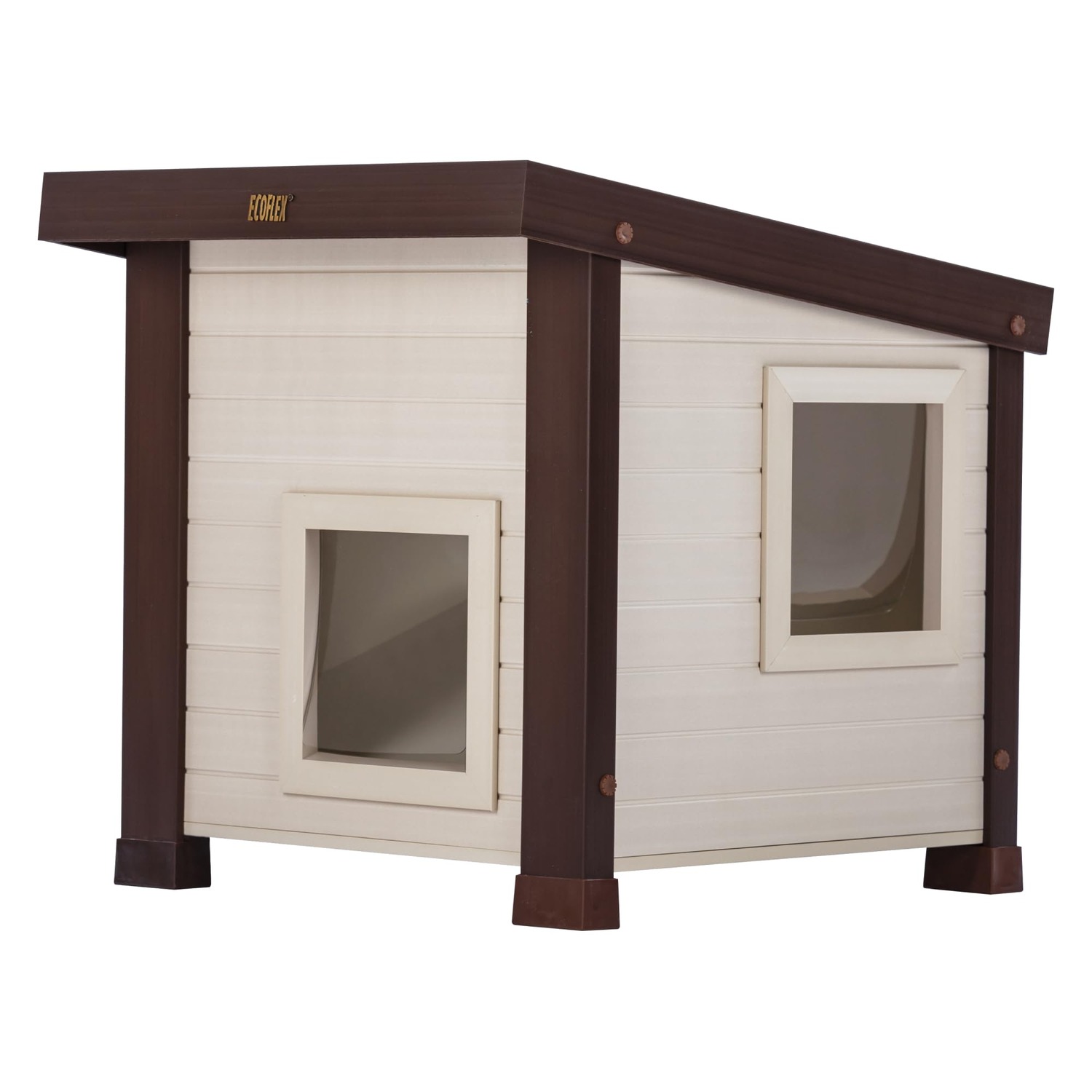
Outdoor Cat House Weatherproof Shelter

$428.99 $514.99 Save $86
  • Weather Resistant Build
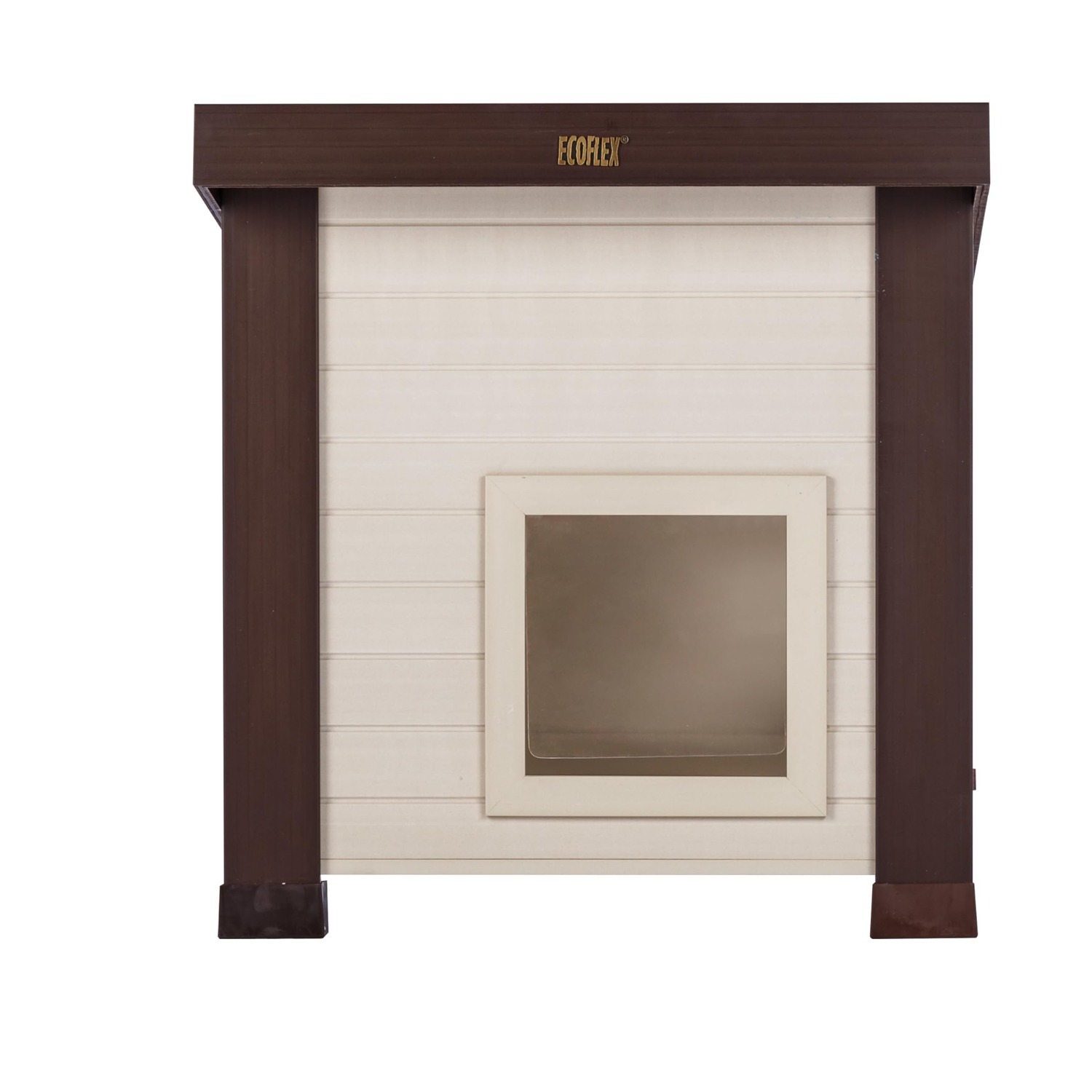
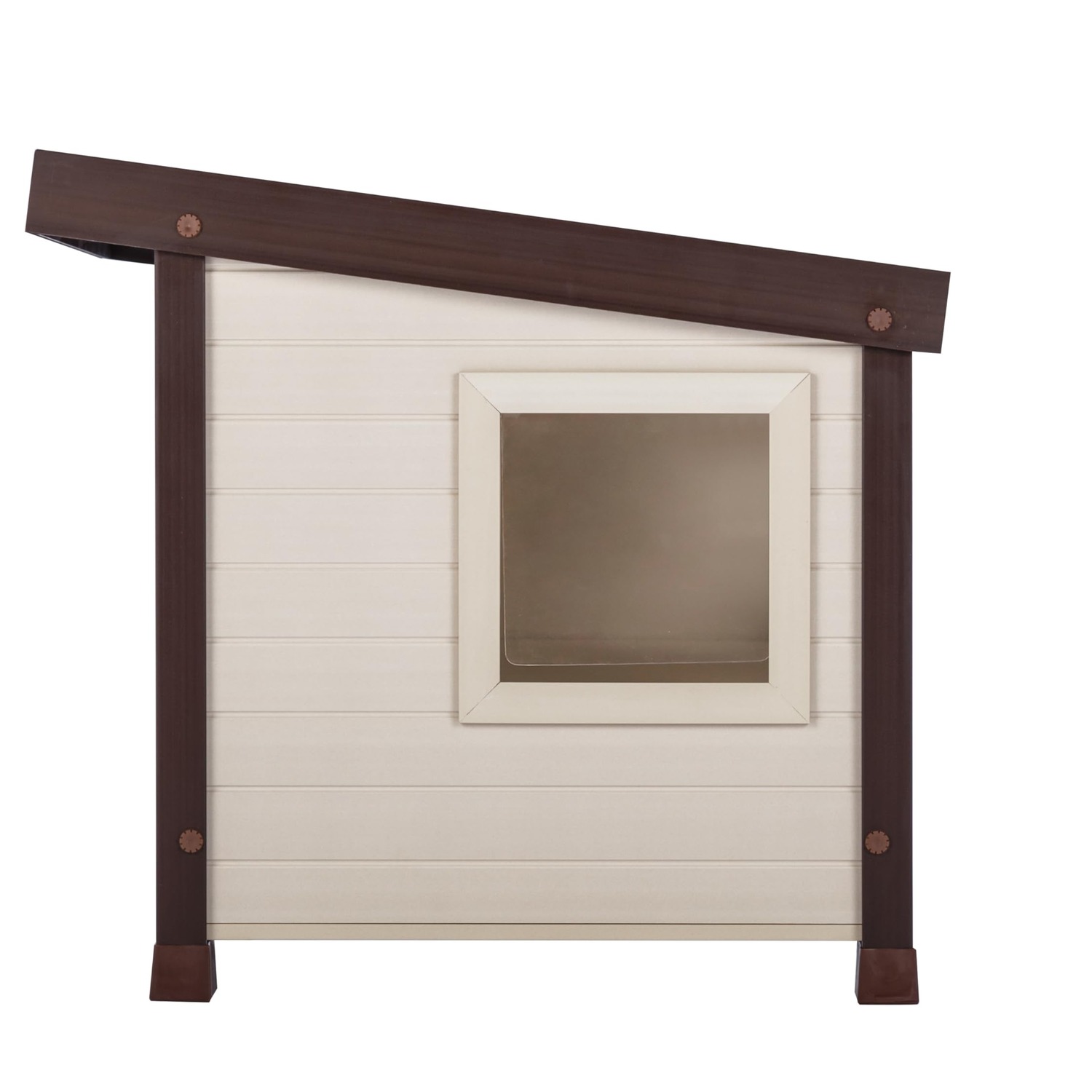
  • Two Doorways
  • No Tools Needed
  • Raised Floor

Price: $428.99 $514.99

  • Free tracked NZ-wide delivery on orders $175+, otherwise a flat $20
  • Pay by card or PayPal, handled by the payment provider
  • 14 days to change your mind, plus your statutory rights
Product specifications
BrandNew Age Pet
Model NumberECTH350
Manufacturer Part NumberECTH350
ManufacturerPinta International Inc.
Item TypeOutdoor Cat House
Target SpeciesCat
MaterialResin
ColourTan
StyleClassic
Product Dimensions19.1 D x 21.8 W x 20.2 H centimetres
Item Weight8.39 kg
Assembly RequiredYes
Included ComponentsCat House
Number of Items1
Unit Count1 count
Number of Packs1
UPC896819003666 322170769250
GTIN896819003666
Weight8.39 kg
Shipping & returns

Tracked delivery anywhere in New Zealand. It is free on orders of $175 or more, and a flat $20 below that.

If it is not right for you, send it back within 14 days of delivery in resaleable condition and we refund the price you paid, including standard delivery. That is a voluntary policy we offer on top of your legal rights. You cover the cost of returning it unless the item is faulty.

If it arrives faulty, damaged or not as described, we put it right at no cost to you under the Consumer Guarantees Act 1993 and the Fair Trading Act 1986, return postage included.

Shipping details · Refunds and returns

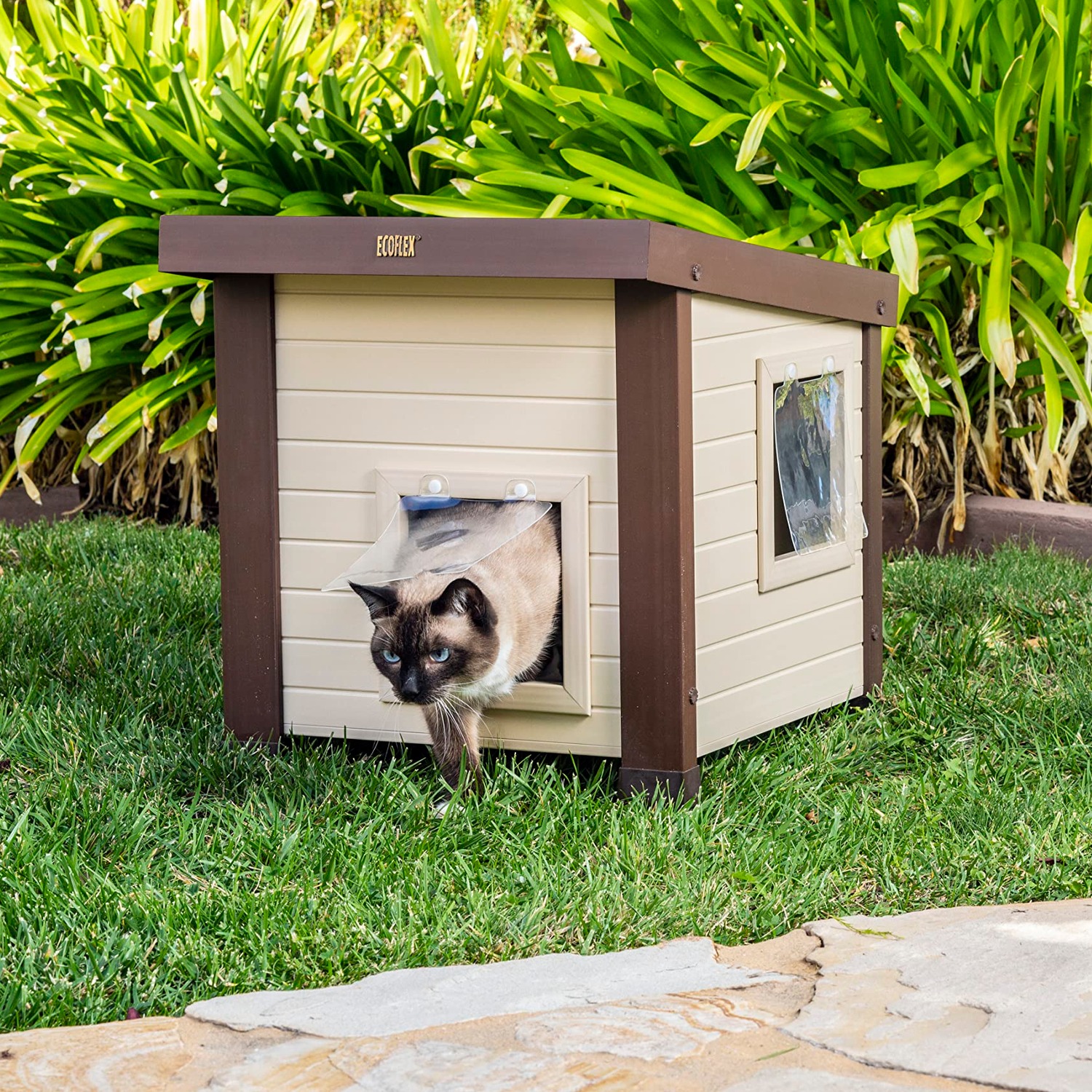
Weather Resistant BuildResin panels shrug off moisture so the inside stays dry.
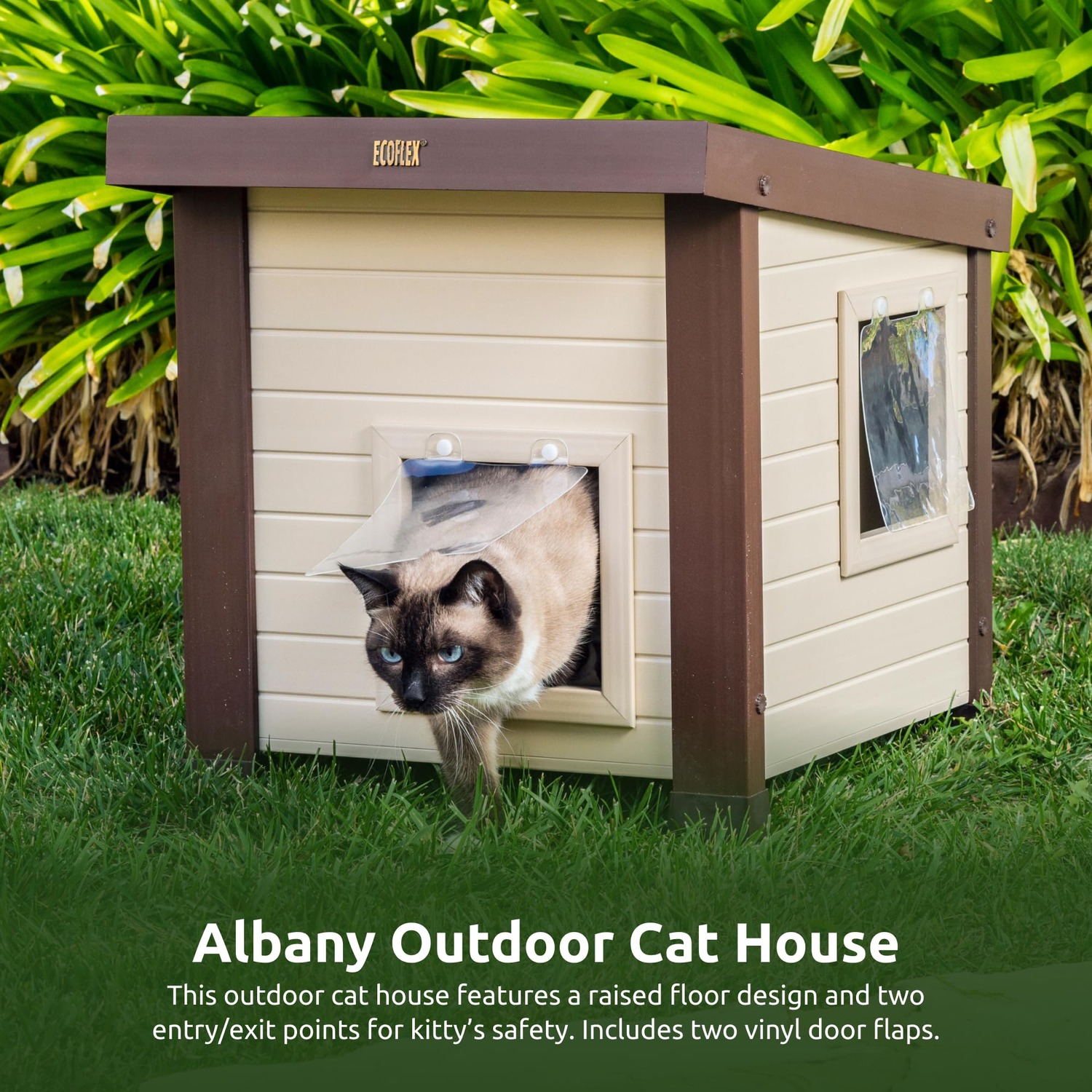
Two DoorwaysAn entry and an escape route, which outdoor cats prefer.
No Tools NeededPanels fit together quickly for a fast setup.
Raised FloorLifts bedding off cold, damp ground and helps air circulate.

Give your cat a dry, draught-free outdoor cat house that stays warm in winter and cool in the shade of summer.

Built from moisture-resistant resin with two doorways, vinyl flaps and a raised floor, it assembles without tools and wipes clean in minutes.

A weatherproof cat shelter built from resin that resists moisture and odour, so it holds up outdoors season after season.

Two doorways with vinyl flaps let your cat slip in and out without ever feeling cornered.

The elevated floor keeps bedding away from wet ground and allows air to move through the shelter.

Assembly needs no tools, so you can have it standing in the garden or catio in minutes.

Smooth resin surfaces wipe clean with warm water and mild detergent, which makes weekly upkeep simple.

Outdoor Cat House Weatherproof Shelter

An outdoor cat needs somewhere to go when the sky opens up or the wind turns cold. A cardboard box under the deck lasts about one storm. This outdoor cat house is made from resin, a material chosen because it does not soak up water the way timber does and does not hold onto smells the way fabric does. That matters when a shelter lives outside all year and takes rain, dew and the occasional muddy paw.

Outdoor Cat House Weatherproof Shelter

Cats are careful about where they sleep, and the reason is simple. A space with only one way out is a trap if something comes to the door. This shelter has two openings, so a nervous cat can always see a second route. Vinyl flaps hang over both doorways to cut the wind and keep the rain from blowing straight in, and most cats learn to nose through them within a few days once they work out what is on the other side.

Outdoor Cat House Weatherproof Shelter

The floor sits above ground level rather than flat on it. That small gap does two jobs. It stops cold rising up through the bedding from paving or soil, and it lets air pass underneath so moisture does not sit and turn the inside damp. For anyone running a catio, the raised base also makes sweeping around the shelter much easier.

Outdoor Cat House Weatherproof Shelter

Setting it up does not involve a toolbox. The panels fit together by hand, which means you can move the shelter to a sunnier corner in winter or a shadier one in summer without dismantling your afternoon. If you want extra warmth in the coldest months, a heated pet pad sized to the floor can be placed inside, sold separately.

Outdoor Cat House Weatherproof Shelter

Cleaning is the part people usually dread with any cat kennel. Here it is a wipe with warm water and a mild pet-safe detergent, then a dry-off before the bedding goes back in. There is no fabric lining to launder and no timber to seal. Pull the bedding, wipe the walls, let it air, done.

Not sure yet? That is fine.

A catio has to fit your space and your cat, and you cannot always judge that from a photograph. If it is not right for you, send it back within 14 days of delivery in resaleable condition and we refund the price you paid, including standard delivery. That is a voluntary policy we offer on top of your legal rights.

If it turns up faulty, damaged or not as described, that is on us. The Consumer Guarantees Act 1993 and the Fair Trading Act 1986 covers you, and we pay the return postage. Read the full detail on our refunds and returns page, or ask us anything before you order.

Frequently Asked Questions

What is this product?

It is an outdoor cat house, a standalone shelter designed to sit in a garden, on a patio or inside a catio. It gives a cat a dry, enclosed space with a roof, walls, a raised floor and two doorways.

What is it made from?

The shelter is made from resin, listed by the manufacturer as the material type. Resin was chosen for outdoor use because it resists moisture and does not absorb odours the way timber or fabric can.

How heavy is it?

The item weight is listed as 8.39 kg. That is heavy enough to stay put in normal weather but light enough for one adult to reposition it in the garden.

What are the dimensions?

The product dimensions are listed as 19.1 D x 21.8 W x 20.2 H centimetres. If you need internal clearance for a specific cat or bedding pad, measure your space and compare before ordering.

Does it need assembly?

Yes, assembly is required, but no tools are needed. The panels fit together by hand, so most people have it standing within a few minutes of opening the box.

Why does it have two doors?

Cats avoid enclosed spaces with a single exit because there is nowhere to go if something blocks the opening. A cat house two doors design gives a second escape route, which makes a shy or feral cat far more likely to use it.

Do the doorways have flaps?

Yes, vinyl flaps hang over the openings. They block wind and driving rain while still letting the cat push through freely.

Will my cat use the door flaps straight away?

Some do, many need a little time. You can tie or tape the flaps up for the first week so the cat learns the shelter is safe, then lower them once it is going in and out confidently.

Is this a good feral cat house?

It suits that purpose well. The twin exits, the enclosed shape and the raised floor are the main features that matter for a stray cat shelter, and the resin stands up to being left outside year-round.

Is it waterproof?

The resin construction is moisture resistant, which is what makes it a practical cat house waterproof enough for outdoor use. Siting it under eaves or against a wall gives extra protection in heavy weather.

Why is the floor raised?

An elevated floor keeps bedding off cold, wet ground and lets air move underneath. That reduces damp inside, which is the usual reason a cat stops using an outdoor shelter.

Can I use it in winter?

Yes. For a proper cat shelter winter setup, add straw or a fleece pad inside, face the doors away from prevailing wind, and consider the optional heated pad.

Is a heated pad included?

No. A heated pet pad can be added for extra warmth but it is sold separately and is not part of this listing.

Is this an insulated cat house?

The listing does not specify an insulation rating. The enclosed shape, raised floor and door flaps all reduce draughts, and you can improve warmth further with thick bedding or a heated pad.

Will it work inside a catio?

It is a good fit as a cat house for catio use. It gives your cats a sheltered spot to nap out of the wind while still being outside, and the small footprint leaves room for climbing furniture.

How many cats fit inside?

It is sized as a single-occupant shelter. Two cats who are bonded may squeeze in together, but if you have several outdoor cats it is better to provide more than one shelter.

What size cat is it suitable for?

It is designed for cats rather than dogs. Check the listed dimensions against your cat's body length when curled, since larger breeds may prefer a roomier shelter.

What colour is it?

The colour is tan, in what the manufacturer calls a Classic style. The neutral tone blends in reasonably well with garden fences, paving and decking.

How do I clean it?

Remove the bedding, wipe the inside and outside with warm water and a mild pet-safe detergent, rinse and let it dry fully before putting bedding back. Skip solvents and pressure washers.

How often should I clean it?

A quick bedding change weekly and a full wipe-down monthly suits most situations. Clean more often after storms or if the shelter is used by a stray with an unknown health history.

What bedding should I put inside?

Straw is the usual choice for an unheated outdoor cat shelter because it does not hold moisture. Fleece or a washable pet pad works well in covered or sheltered spots.

Should I use a blanket?

Blankets soak up damp and then chill the cat, so they are better suited to covered areas. If the shelter sits in the open, straw is the safer pick.

Where should I put it?

Choose a quiet, sheltered spot with the doors facing away from wind and rain. Raising it on pavers or a plinth adds further protection from ground water.

Will it blow over in wind?

At 8.39 kg it is reasonably stable. In exposed gardens, place it against a wall or fence and add a weight such as a paver on top for extra security.

Can it be used indoors?

Yes. Some owners use it in a garage, shed or laundry as a quiet den. The same features that make it a good cat kennel outdoors also make a calm hiding spot inside.

How do I get a stray to use it?

Place it near where the cat already shelters, line it with dry bedding, and leave the flaps open at first. Feeding a short distance away rather than inside helps keep the shelter clean.

Does it come with a warranty?

No warranty term is recorded in this product record. If warranty coverage matters to your purchase, contact us before ordering and we will confirm what applies in your country.

How is it delivered?

It ships flat-packed in a single carton and arrives by standard courier. You will get tracking details by email once the order leaves the warehouse.

Can I return it?

Yes. If the shelter is not right, contact us within the returns window shown at checkout and we will walk you through the process. Keep the original packaging where possible, since that makes return shipping far easier.

What if it does not suit my cat?

Some cats take weeks to accept a new shelter, so give it time with familiar bedding inside before deciding. If it genuinely does not work for your space or your cat, get in touch and we will sort out a return or help you choose a better-suited outdoor cat shelter.

Choosing an Outdoor Cat House That Your Cat Will Actually Use

6 min read Catio Company

The problem with leaving a cat to find its own shelter

Cats are resourceful. Left outside, they will find somewhere, and that somewhere is usually under a car, behind a shed, or inside a gap in the decking. All three are bad. Under a car is dangerous in the obvious way. Behind a shed means lying on wet soil that pulls heat straight out of the body. A gap in the decking traps a cat if a dog comes sniffing.

The deeper issue is cold. A cat's thick coat handles chilly air surprisingly well. What it cannot handle is being damp. Wet fur stops insulating almost immediately, and a cat that is wet and sitting on cold ground loses body heat fast. That is why an outdoor cat house needs to do two things above all else. Keep rain out, and keep the floor off the ground.

Everything else, the look, the colour, the clever extras, matters less than those two points.

How this shelter works

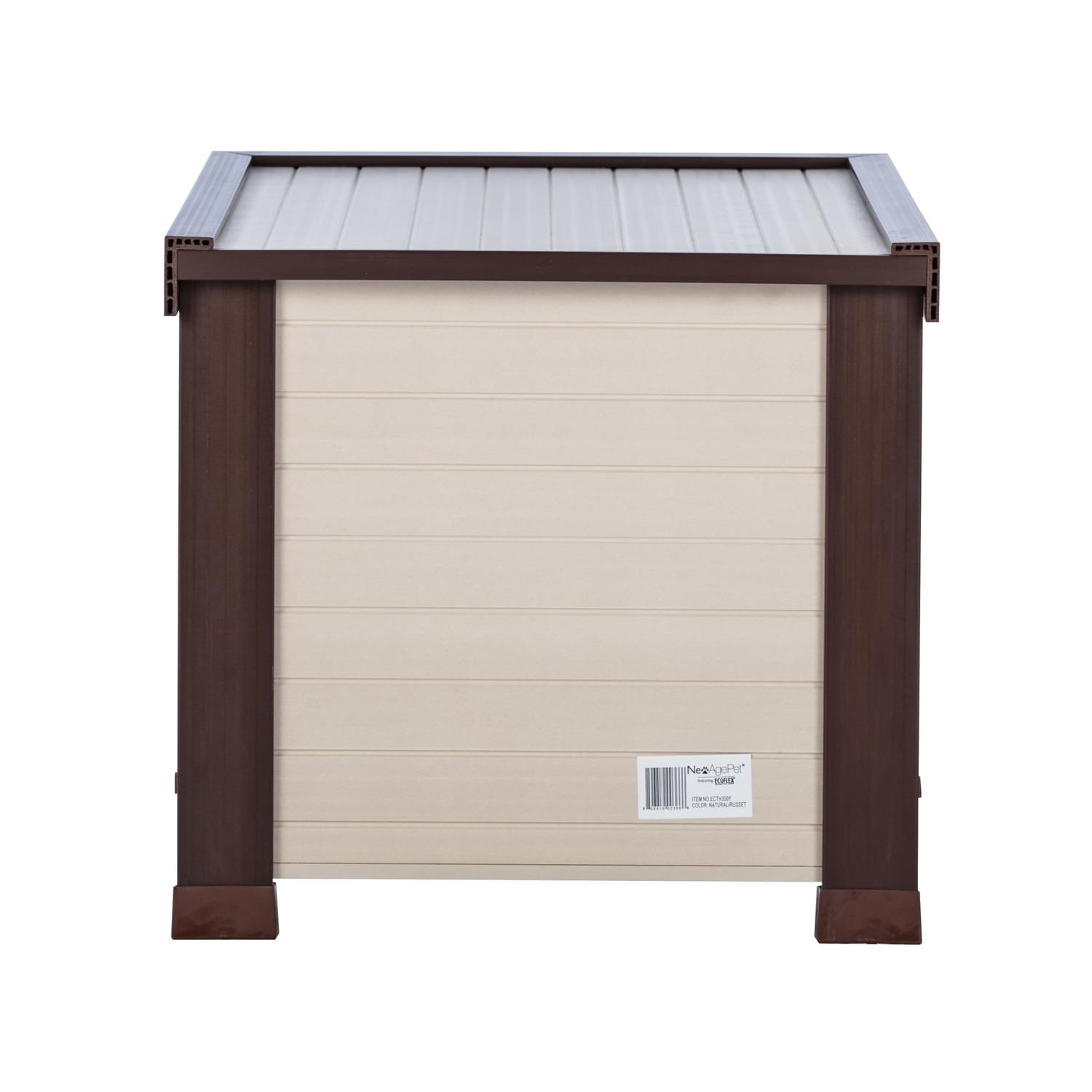
This is a resin shelter with solid walls, a roof, a raised floor and two doorways. Each doorway has a vinyl flap hanging over it.

Resin is the key choice here. Timber looks lovely in a product photo, but outdoors it swells, splits and eventually rots unless you reseal it every season. Fabric shelters hold water and go mouldy. A cat house plastic or resin panel does not absorb water, so what rain lands on it runs off. It also does not soak up smells, which is a bigger deal than people expect once a shelter has been in use for a year.

The raised floor is the second piece. An elevated base means the bedding never sits directly on cold paving or soil, and air can move under the shelter instead of pooling as damp. If you have ever lifted an old cat bed off a patio and found the underside soaked, you already know why this matters.

The two doorways are the third piece, and this one is about behaviour rather than weather. A cat will not settle properly somewhere it can be cornered. Give it a front door and a back door, and it relaxes. That is not a marketing idea, it is the single most reliable thing that separates a shelter a cat uses from one that sits empty in the corner of the garden.

The vinyl flaps finish the job. They cut the wind that would otherwise blow straight through those two openings, while still letting the cat push through whenever it wants.

Who this suits

Owners of indoor-outdoor cats. If your cat goes out for the day and sometimes comes home late, a shelter near the back door gives it a dry place to wait. Many cats start using it as a nap spot as well.

People feeding strays. A stray cat shelter does not need to be fancy, but it does need to be safe and dry. The twin doors are especially valuable here, since a semi-feral cat will not commit to a dead-end box.

Catio owners. A cat house for catio use adds a sheltered retreat inside an otherwise open enclosure, so your cats can stay out longer in mixed weather.

Rural and acreage households. Barn cats and working cats do better with somewhere proper to sleep, and a resin shelter holds up to dust, rain and sun better than a timber crate.

It is less suited to someone wanting a large multi-cat communal shelter. This is sized as a one-cat retreat. If you are supporting a small colony, two or three separate shelters work better than one big one anyway, because cats spread out.

How to choose, and what to check first

Start with measurements. The product dimensions here are listed at 19.1 D x 21.8 W x 20.2 H centimetres. Before you buy any outdoor cat shelter, watch your cat sleep and note how it curls. A cat that sleeps in a tight ball needs less room than one that sprawls. Then check the space where the shelter will stand, allowing clearance at both doorways so the cat is never squeezing past a wall.

Next, think about placement. The best outdoor cat house in the world will be ignored if it faces into the wind. Put the doors away from the prevailing weather, tuck the shelter against a wall or fence, and if you can get it under eaves or a verandah roof, better again.

Then consider winter. A good cat shelter winter setup is shelter plus bedding plus a wind break. Straw is the classic bedding because it stays dry and the cat can burrow into it. Blankets and towels are comfortable but they hold moisture, so save those for covered spots. If you want more warmth, a heated pet pad can go inside, though it is sold separately and you will need a safe outdoor power source.

Finally, weigh up assembly. Some shelters involve screws, brackets and a lost afternoon. This one fits together without tools, which also means you can move it between a sunny winter corner and a shaded summer one without dismantling anything.

Living with it, and keeping it clean

Cleaning is where most outdoor pet shelters fall down, and it is the reason resin earns its place. There is no fabric lining to wash and no timber grain holding smells.

A sensible routine looks like this. Once a week, pull out the bedding, shake it or replace it, and give the inside a quick wipe. Once a month, do a fuller clean with warm water and a mild pet-safe detergent, rinse, and let the shelter dry completely before putting bedding back. Avoid harsh solvents and skip the pressure washer, since high-pressure water can work its way into panel joints.

Check the vinyl flaps now and then. They take the most wear, and a split flap lets wind through. Also clear leaves out from under the raised floor so air keeps moving.

One more habit worth building: if you are feeding a stray, feed a short walk away from the shelter rather than inside it. Food inside means crumbs, crumbs mean ants and rodents, and that will end the shelter's usefulness quickly.

Helping a cat accept it

Patience works better than persuasion. Put the shelter where the cat already hangs around rather than somewhere convenient for you. Tie the flaps up for the first week so the openings are obvious. Add bedding that smells familiar if you can, something from the cat's usual sleeping spot.

Then leave it alone. Do not hover, do not try to place the cat inside. Most cats investigate within a few days and commit within a fortnight. Feral cats take longer, sometimes a month or more, and they often use it at night before you ever see them go in. A scattering of fur in the bedding is usually the first proof it is working.

The short version

An outdoor cat house earns its keep by staying dry inside and keeping the floor off the ground. This one is resin, so rain runs off rather than soaking in, and the raised base keeps bedding away from cold paving. Two doorways with vinyl flaps give a cat the escape route it needs to settle, which is the difference between a shelter that gets used and one that gets ignored.

It assembles without tools, weighs 8.39 kg, comes in tan, and wipes clean with warm water and mild detergent. Add straw or a fleece pad for winter, or a heated pad if you want more, sold separately.

Measure your space, check the listed dimensions, point the doors away from the wind, and give your cat a couple of weeks to decide. That is most of the job done.

Browse the shop

Not sure if this fits your garden?

Send us your measurements and a quick note about your cat, and we will tell you honestly whether this shelter is the right pick.

Ask us a question

Page summary

The Outdoor Cat House from New Age Pet (model ECTH350) is a weatherproof cat shelter made from resin in a tan Classic style. It has two doorways fitted with vinyl flaps so a cat always has a second exit, and an elevated floor that lifts bedding off damp ground and allows air to flow through. Assembly is required but no tools are needed, and the resin surfaces wipe clean with mild detergent. Listed product dimensions are 19.1 D x 21.8 W x 20.2 H centimetres and the item weight is 8.39 kg. An optional heated pad can be added for winter, sold separately. Colour is tan. Country of origin is not specified in this record, and no warranty term is recorded here.